

Communication takes place through meetings, webinars, videos and live streams, making accessibility and engagement a priority for businesses.
As more events and discussions continue to move online, it’s important to make sure that everyone can easily follow what’s being said, regardless of their hearing ability, environment or language proficiency.
One feature that helps with engagement is live captions.
In this blog, we’ll explain what live captions are, how they work and why they’re becoming an essential feature in modern communication tools.
What Are Live Captions?
Live captions are real-time text versions of spoken audio, displayed on screen as someone speaks. They provide a live transcript of what is being said during an event, meeting, broadcast or presentation, typically appearing just after the words are spoken.
Unlike traditional subtitles, which are created after a video is already recorded, live captions are produced in the moment while the event is happening. This allows audiences to follow conversations, presentations or discussions as they unfold.
The live nature of live captions does mean they aren’t as accurate as subtitles for pre-recorded videos; however, human-powered captioning is generally around 98-99% accurate.
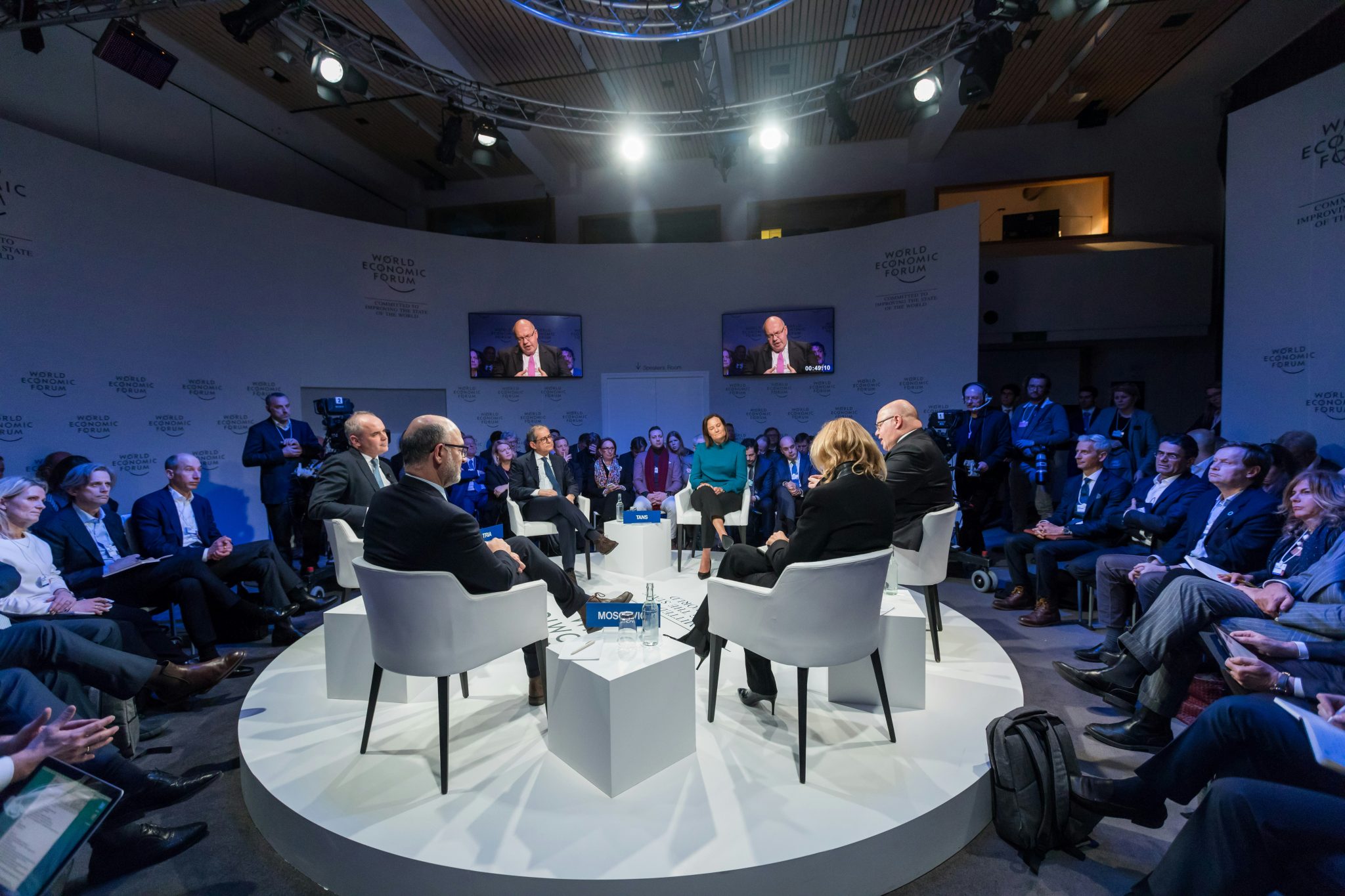
Live captions can be displayed in a variety of ways depending on the event setup. They may appear on presentation screens or projectors at a venue, be embedded into a live video stream, or be accessed on personal devices such as phones, tablets or laptops.
Live captions can be delivered as either open captions or closed captions, depending on your needs.
- Open captions are burnt directly into the video or display and cannot be turned off, ensuring all viewers see them. Because they are embedded into the video, you don’t have as much control over them as closed live captions.
- Closed captions, on the other hand, are added as a separate layer that viewers can switch on or off and customise depending on their preferences (an overlay on the video). The client can choose how many lines they want and choose the font, text colour or text size where they want to put the captions.
(It’s also worth noting that many clients prefer open captions as it can be less complex and appear automatically)
Live captions are commonly used in:
- Conferences, seminars and industry events
- Webinars and virtual presentations
- Corporate meetings and town halls
- Training sessions
- Workshops
- Public meetings
- Community events
- Live broadcasts
- Streamed content
- Educational lectures and panel discussions
Live captions can be used for both in-person and remote events, which impacts the technical set-up. Live captions can also be configured for hybrid events where attendees are a mix of on-site and online.
AI vs Human Live Captions
There are two main types of live captioning services:
AI Live Captions
AI live captioning uses advanced speech recognition technology. Captions are then generated instantly, making live content more accessible and easier to follow for all audiences. AI live captions can be ideal for events where speed and cost-efficiency are important.
While AI has made significant advances and can deliver accessible captions, it may be less reliable in situations involving specialized terminology or varied accents.
Human Live Captions
Human Live captioning is delivered by experienced specialists, allowing dedicated coordination to ensure sessions run smoothly.
Events with highly technical language, multiple speakers talking over one another or accuracy requirements would benefit from the contextual understanding that professional human captioners provide.
At Omni, our live captioning services are carried out by trained human stenographers, ensuring exceptional precision and understanding of spoken content. The human option is best for corporate events, legal proceedings, live broadcasts and more.
Why Should You Consider Live Captions?
Adding live captions to an event can strongly improve how people engage with and understand your content.
Many people process information more effectively when they can both hear and read it at the same time, which helps improve focus and retention during events.
Captions also make speech much easier to understand, particularly when audio quality is poor, speakers have strong accents, specific terminology is used, or multiple people are talking at once. By displaying spoken words as text, live captions help ensure important information isn’t missed.
Accessibility is another key benefit
Live captions allow people who are hard of hearing to follow conversations, helping create a more inclusive experience for all participants.
They are also useful in everyday situations where audio isn’t ideal.
For example, viewers may be in a noisy environment where it’s difficult to hear clearly or they may need to keep their device muted in a quiet space. In these cases, live captions make it easier to follow along without relying solely on sound.
Note: Live captions may be required to meet accessibility obligations, such as those outlined under the Americans with Disabilities Act (ADA), depending on the event type, audience and setting.
How Live Captions Work
Live captions are created through a process that converts spoken audio into text, allowing audiences to follow conversations as they happen…
- Live captioning typically begins with a review of the event to understand the format, platform, audience and accessibility needs. Based on this, the most suitable captioning setup is prepared. At Omni, we offer technical support alongside live captioning.
- During the event, experienced captioners or speech recognition technology convert spoken audio into text in real time. Captions are displayed almost instantly, allowing viewers to read what is being said as the conversation happens.
- The captions can be delivered across various platforms, including video conferencing tools, live streams, and event displays. In some cases, transcripts can also be provided after the event, allowing organizations to keep a written record of the discussion. Live captions can also be translated in near real-time.
Are you seeking live captions for an upcoming event?
Founded in 1978 and proudly based in Houston, Texas, Omni delivers professional live captioning services that make spoken content accessible, inclusive, and easy to follow in real time.